Understanding the Subtle Nuances of German Social Etiquette
By Immigrid Team ·
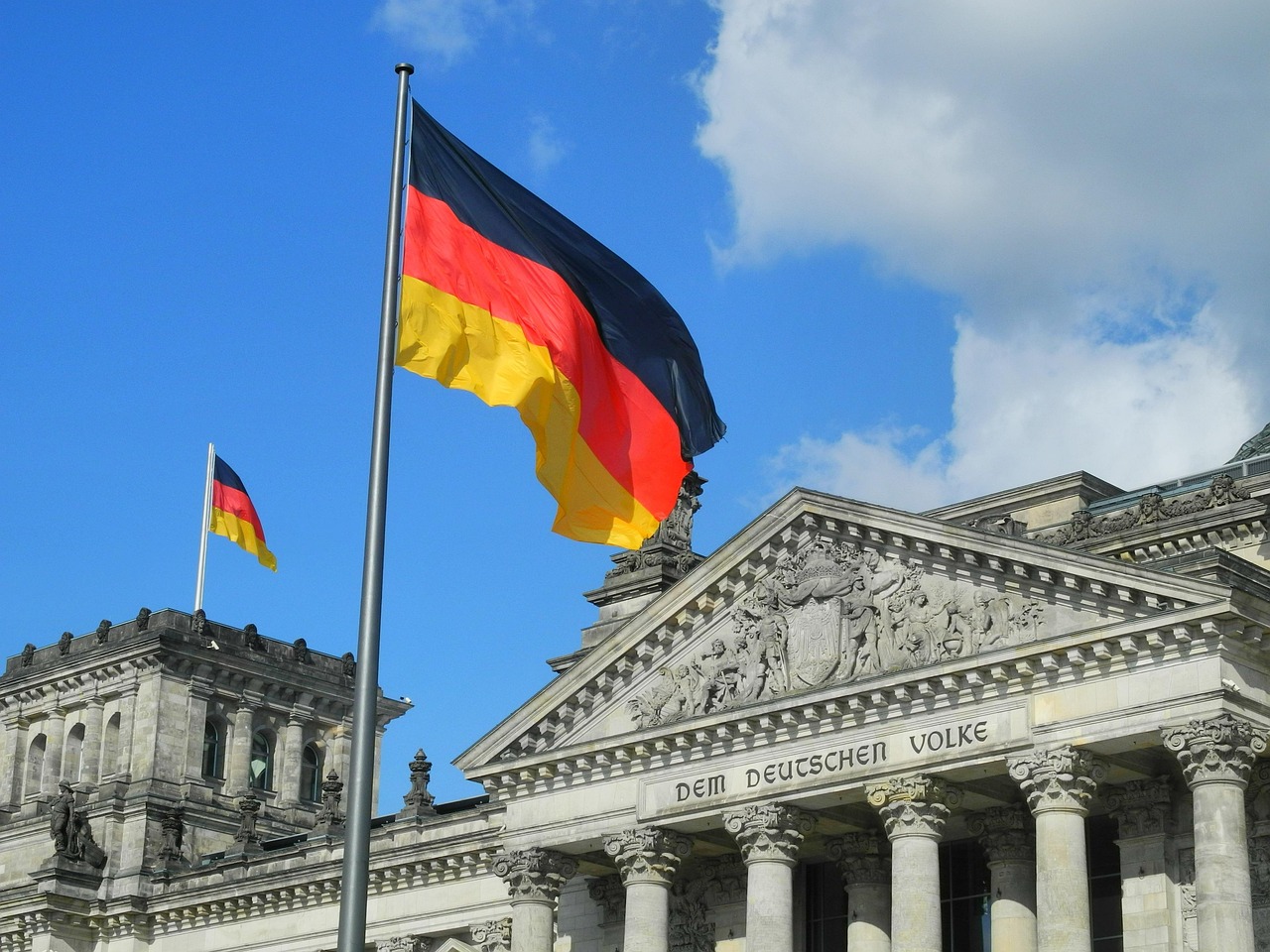
Culture Shock: Navigating Social Etiquette in Germany
Moving to Germany can be exhilarating yet daunting, especially when it comes to social interactions. Many newcomers experience culture shock, not only from the language barrier but also from the differences in social norms and etiquette. Understanding these subtle nuances is crucial for fostering positive relationships in both personal and professional settings.
1. Greetings and Personal Space
In Germany, greetings are taken seriously and vary depending on the context. The common greeting is a firm handshake accompanied by eye contact. Here are some key points to remember:
- Handshakes: Always shake hands when meeting someone for the first time.
- Titles Matter: Use titles (Herr for Mr., Frau for Mrs.) along with the last name until invited to use first names.
- Personal Space: Germans value personal space. Maintain a respectful distance during conversations.
2. Punctuality is Key
Being punctual is a sign of respect in German culture. Arriving late is often viewed as inconsiderate, whether for social gatherings or business meetings. Tips to ensure you are on time include:
- Plan your route in advance, considering potential delays.
- Arrive 5-10 minutes early to show you value the other person's time.
- If you are running late, inform the person as soon as possible.
3. The Importance of Direct Communication
Germans are known for their straightforward communication style. This directness can be surprising for newcomers from cultures where indirect communication is the norm. Here’s how to navigate this:
- Be Clear: State your intentions or opinions clearly without beating around the bush.
- Respect Honesty: Germans appreciate honesty; don’t take it personally if someone critiques your ideas—it's often constructive feedback.
- Ask Questions: If you're unsure about something, don't hesitate to ask for clarification.
4. Dining Etiquette
Dining is another area where cultural norms can differ significantly. Here are some dining etiquette tips to keep in mind:
- Cutlery Use: Hold your fork in the left hand and knife in the right while eating.
- Toast Before Drinking: It’s customary to make eye contact and say “Prost!” before taking a sip of your drink.
- Wait for the Host: Don’t start eating until the host begins.
5. Embracing the Work Culture
Germany has a structured work culture where boundaries between personal and professional life are clear. Here are some insights:
- Work-Life Balance: Germans prioritize a healthy work-life balance, typically adhering to a strict 40-hour work week.
- Team Collaboration: Expect collaborative work environments, but also respect individual contributions.
- Feedback: Regular feedback is common, so be prepared to discuss your performance openly.
6. Navigating Holidays and Traditions
Germany is rich in traditions and holidays that may be unfamiliar to newcomers. Some notable ones include:
- Oktoberfest: A famous beer festival held annually in Munich.
- Christmas Markets: From late November to Christmas, cities are filled with markets selling crafts, food, and mulled wine.
- Tag der Deutschen Einheit: Celebrated on October 3rd, this day marks the reunification of Germany.
Conclusion
Adapting to German social etiquette might require patience and practice, but understanding these cultural nuances can help ease your transition and enhance your experiences in Germany. By embracing these differences, you’ll not only navigate culture shock more smoothly but will also enrich your time in this vibrant country.
Community and AI-assisted information is not legal advice. Check current requirements with official sources.